
Pneumatic, pneumo-hydraulic and electro-hydraulic actuators
Product description
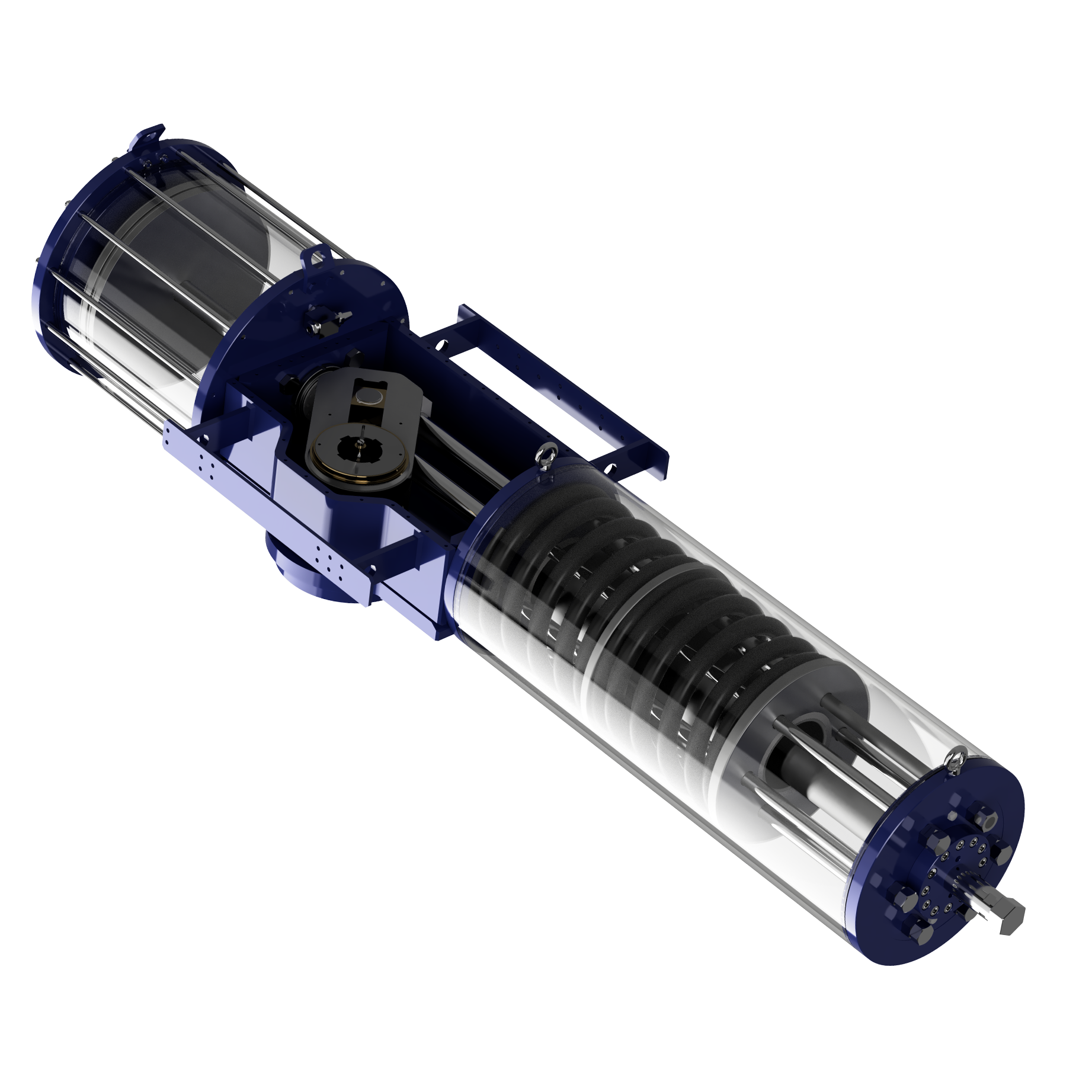
Pneumatic, pneumo-hydraulic and electro-hydraulic actuators are devices designed for the automated operation of industrial valves, converting the energy of compressed air, hydraulic fluid, or combined drive systems into the mechanical rotary or linear motion needed to open, close and control valves. Their main function is to enable fast, reliable and safe operation of valves in process and energy systems, with the ability for local and remote control.

Applications
District heating systems
Gas plants

Oil and petrochemical industry
Thermal power plants
Pumping and compressor stations
HVAC systems
Basic technical specifications
pneumatic, pneumo-hydraulic, electro-hydraulic
part-turn, multi-turn, linear
compressed air, hydraulic oil
OPEN/CLOSE, modulating, fail-safe
spring return or double-acting design
according to valve and process requirements
24V DC, 230V AC, 400V AC and other configurations
mechanical and electronic limit switches, positioners
Modbus, Profibus, HART and other industrial protocols
ATEX / IECEx designs for hazardous (explosive) zones
IP66, IP67, IP68
according to actuator type and process conditions
per ISO 5210, ISO 5211 and DIN standards
Actuator designs
Pneumatic actuators
Pneumatic actuators use compressed air energy to operate industrial valves, providing fast response, a high number of operating cycles and reliable operation under demanding conditions. Most commonly used to automate ball, butterfly and globe valves in the process industry, energy sector, gas and oil-and-gas systems.
They enable OPEN/CLOSE, modulating and fail-safe operating modes, with integration into SCADA and DCS systems, positioners and signal units for precise process control and monitoring.
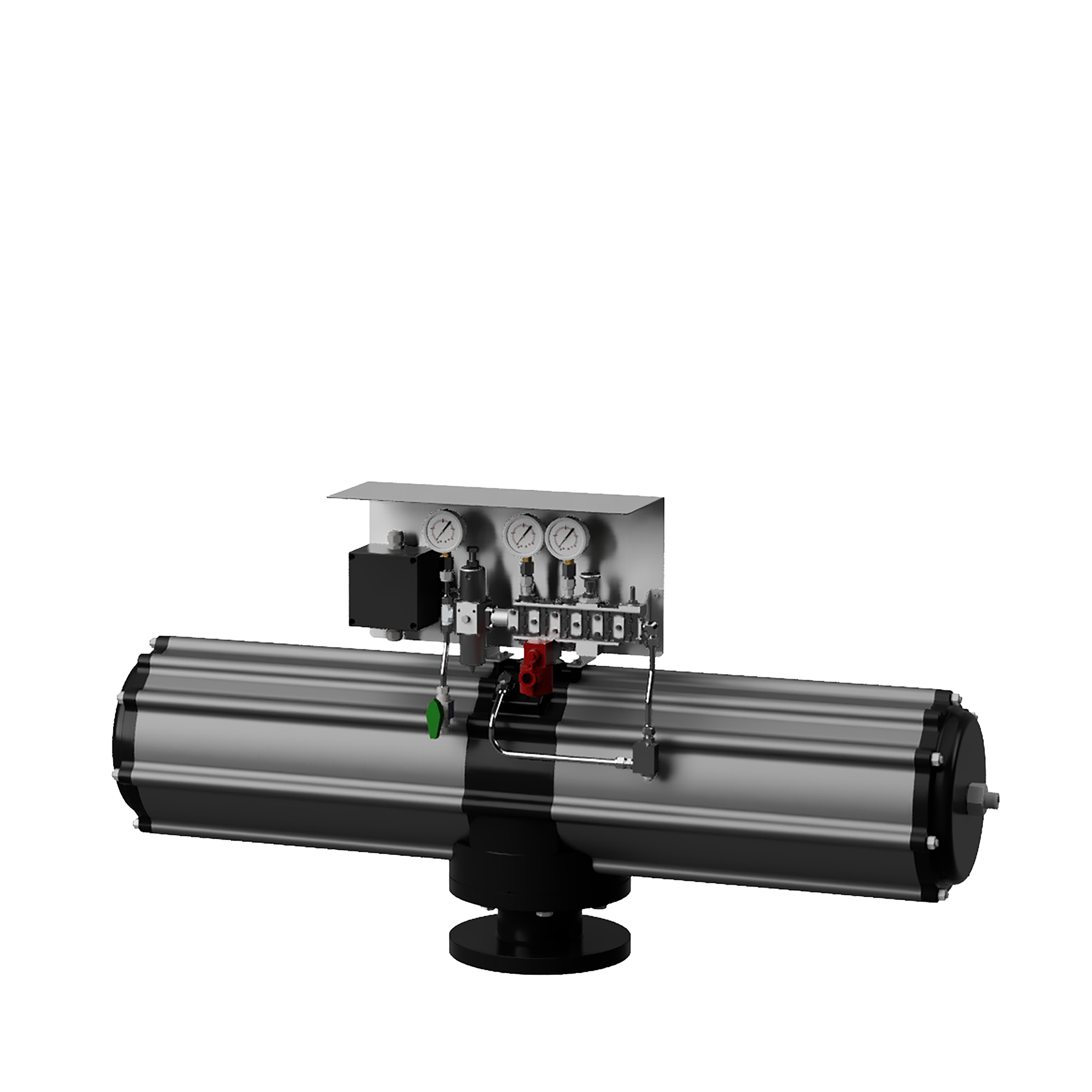

Pneumo-hydraulic actuators
Pneumo-hydraulic actuators combine compressed air and a hydraulic system to provide high torque, stable operation and high reliability in demanding industrial applications. Used to automate ball, butterfly and other process valves, especially for large diameters and heavy loads.
They enable OPEN/CLOSE, modulating and fail-safe operating modes, with integration into SCADA and DCS systems, positioners and signal units. Most commonly used in energy, gas and oil-and-gas plants, the process industry, and district heating systems.
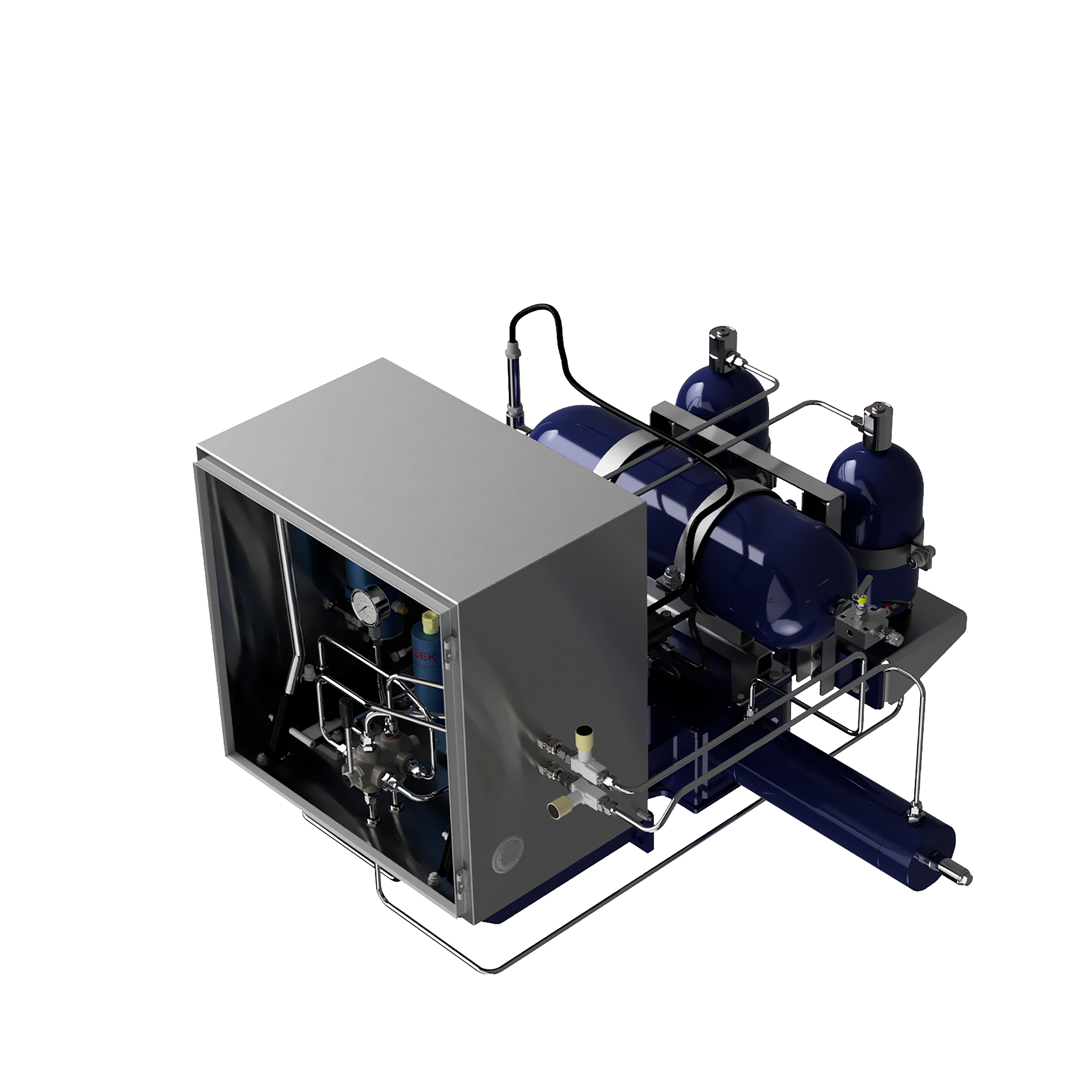

Electro-hydraulic actuators
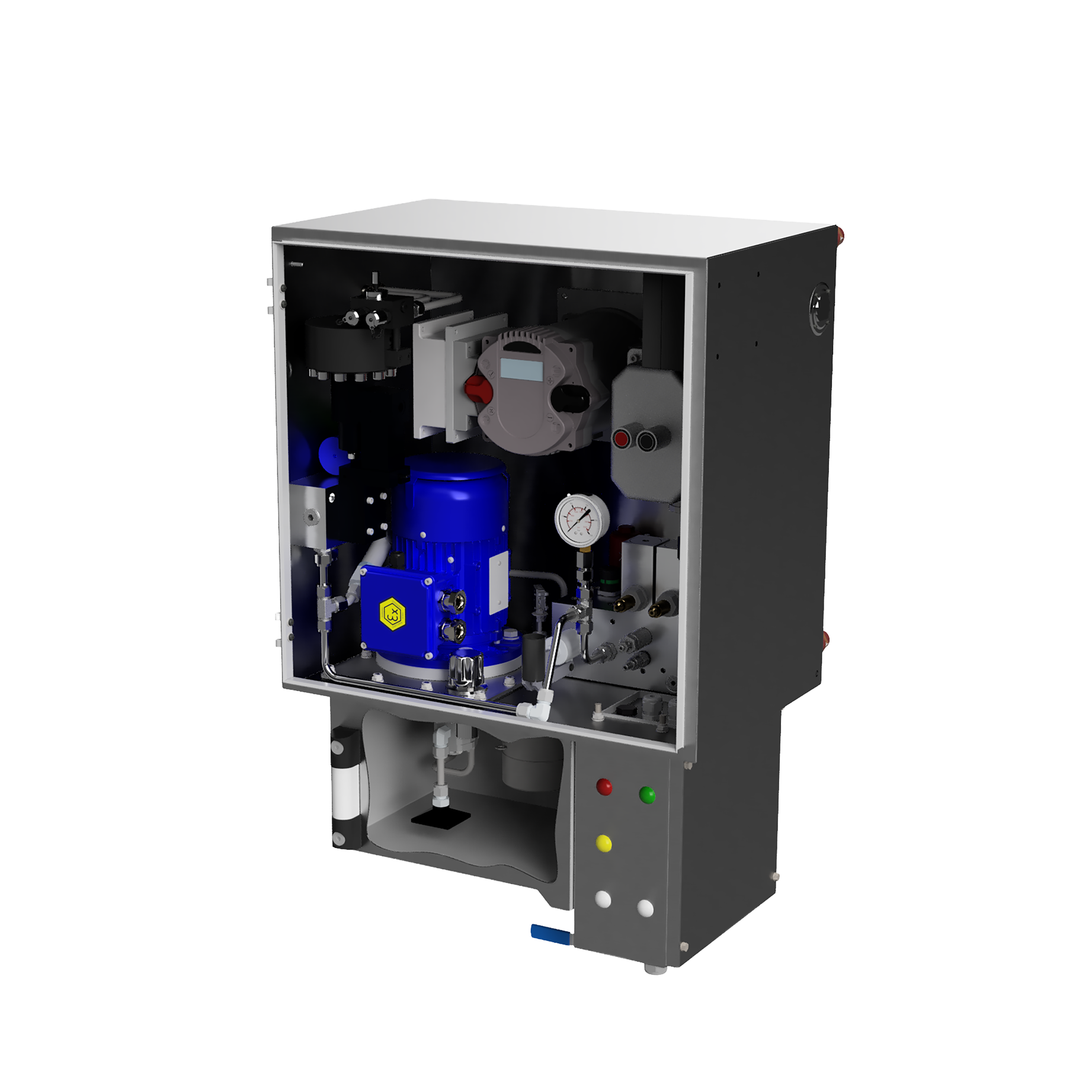
Electro-hydraulic actuators use an electric motor assembly and a hydraulic system to achieve high forces and torques with precise, stable valve control. Designed for automating ball, butterfly and other process valves in demanding industrial conditions.
They enable OPEN/CLOSE, modulating and fail-safe operating modes, with integration into SCADA and DCS systems, positioners and signal units. Used in the energy sector, process industry, gas and oil-and-gas plants, and district heating systems where high torque and high operational reliability are required.

Standards and certification
The valves are manufactured in accordance with relevant European standards for energy and industrial equipment.
Manufacturing and quality control includes the following certificates and standards:
- ISO 5210
- ISO 5211
- EN 15714
- ATEX 2014/34/EU
- IECEx
- PED 2014/68/EU
- IEC 61508 / SIL
- IP66 / IP67 / IP68
- ISO 9001/14001
Pneumatic, pneumo-hydraulic and electro-hydraulic actuators delivered by manufacturer on previous projects
Project support and actuator selection
The choice of an appropriate actuator depends on the valve type, required torque, operating mode, energy source and the system's safety requirements. Properly matching the actuator to the valve and process conditions is key to reliable and safe plant operation.
The expert team at Contex Energy provides technical support in selecting pneumatic, pneumo-hydraulic and electro-hydraulic actuators, including OPEN/CLOSE, modulating and fail-safe designs, along with defining the required torque, EX protection and integration with control systems.

Contact us for more information

Schedule a free consultation here
Related services
Contex Energy also provides the following services:


Frequently asked questions
These actuators are used for the automated opening, closing or control of industrial valves. They convert the energy of compressed air, hydraulic fluid or a combined system into the mechanical motion needed to operate a valve. Used when fast, reliable and safe valve control is required.
A pneumatic actuator uses compressed air to move the valve. A pneumo-hydraulic actuator combines pneumatic activation with hydraulic power, making it suitable for larger torques and more demanding applications. An electro-hydraulic actuator uses electrical control and a hydraulic system to transmit larger forces and provide precise positioning.
Pneumatic actuators are used when fast response time, a high number of operating cycles and reliable operation under industrial conditions are needed. Most commonly used to automate ball and butterfly valves. Suitable for process, gas, energy and district heating systems.
Pneumo-hydraulic actuators are used when higher torque is needed along with stable, controlled valve operation. Especially useful for larger-diameter valves and systems with high process loads. Often used in gas, oil, energy and process plants.
Electro-hydraulic actuators are used in applications requiring high torque, precise positioning and reliable operation under complex process conditions. They combine electrical control with hydraulic power. Suitable for demanding industrial, energy, gas and oil-and-gas systems.
The fail-safe function means the actuator can automatically move to a safe position in the event of power loss, pressure loss or activation of the safety system. That position can be fully open or fully closed, depending on process requirements. This function is especially important in systems where safety is a priority.
Spring-return design uses a spring that returns the valve to a defined safe position when drive energy is lost. Double-acting design uses the drive medium for both directions of movement — both opening and closing. The choice depends on whether the system requires automatic return to a safe position.
Yes, modern pneumatic, pneumo-hydraulic and electro-hydraulic actuators can be integrated with SCADA, DCS and other control systems. Industrial protocols such as Modbus, Profibus and HART can be used for communication. This enables remote control, position monitoring and tracking of valve operation.
An ATEX or IECEx design is required when the actuator is installed in hazardous (explosive) zones. This most commonly applies to gas plants, the oil and petrochemical industry, compressor stations and similar installations. In these conditions, the actuator must be adapted for safe operation in a potentially explosive atmosphere.
The appropriate actuator is chosen based on the valve type, required torque or linear force, operating mode, available energy source and the system's safety requirements. It's also important to define whether an OPEN/CLOSE, modulating or fail-safe function is needed. The final choice should align with the project documentation, process conditions and automation requirements.