
Other products
Pipes and fittings
Our range includes steel pipes and pipe fittings for hot-water, cold-water, gas and industrial pipeline systems, intended for transporting water, steam, gas and other working fluids. Both pre-insulated and bare pipes are available, in welded and seamless designs, along with complete fittings for welding and connecting pipelines in accordance with EN, DIN and API standards.
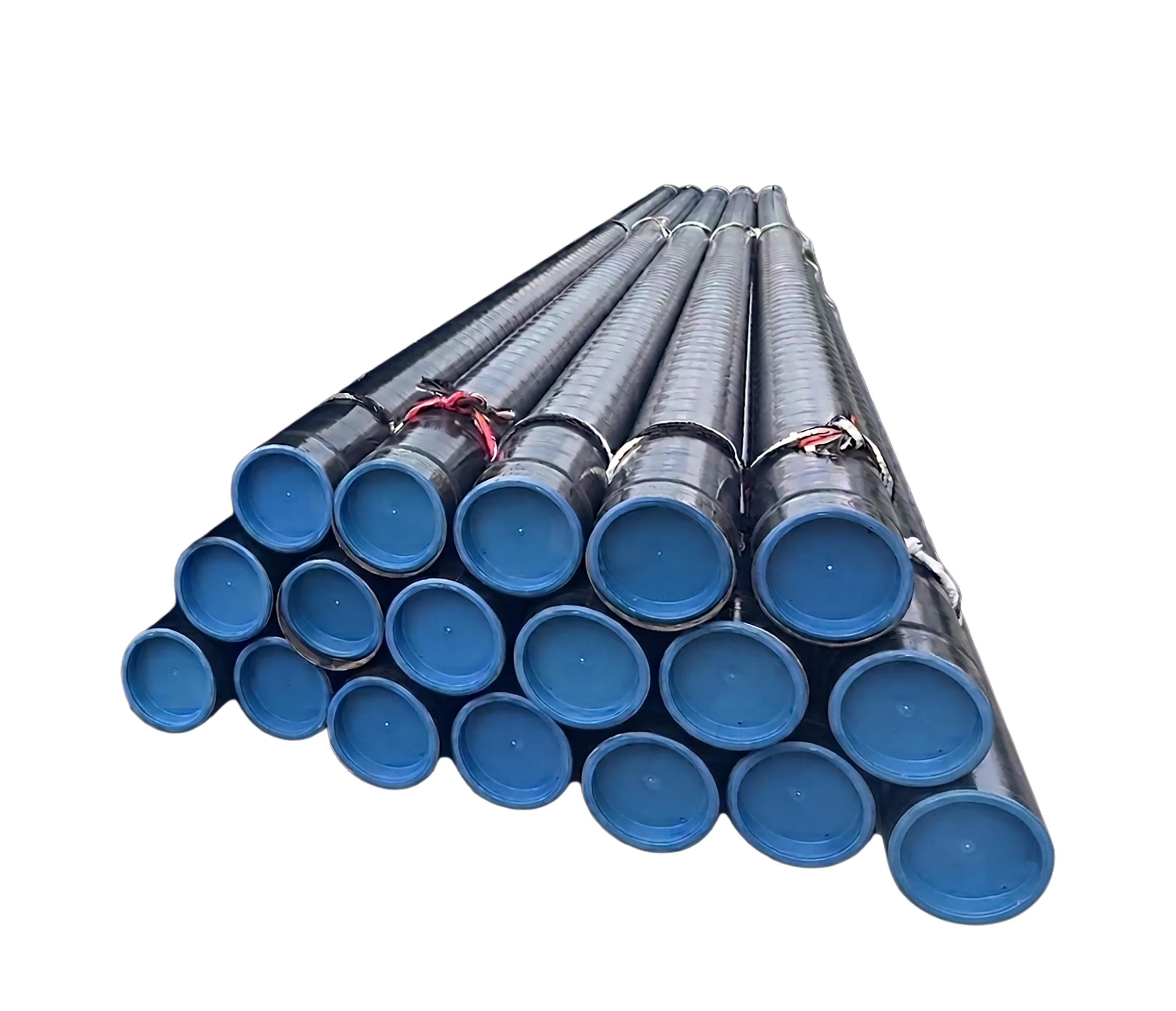

Basic technical specifications
hot-water pipelines, cold-water pipelines, gas pipelines and industrial pipelines
pre-insulated and bare pipes
welded (ERW/LSAW) and seamless pipes
P235GH, P265GH, ST35.8, ST52, API 5L Gr. B and equivalent materials
DN15 – DN1200 and larger on request
water, superheated water, steam, gas, condensate and process fluids
depending on material and system insulation
elbows, tees, reducers, flanges, extensions and connecting elements
EN 10217, EN 10216, API 5L, DIN and other relevant standards
energy plants, district heating and cooling systems, gas infrastructure, industrial plants and process systems
Measurement and Control Equipment for Gas Systems
Our range includes measurement and control equipment for natural gas distribution and transmission systems, including pressure and temperature transmitters, flow meters, pilot-operated pressure regulators, safety shut-off (slam-shut) valves, and related process instrumentation. The equipment is intended for use in gas metering and regulating stations, custody transfer metering stations, underground gas storage facilities, and industrial gas plants, where it enables precise measurement, stable control and safe system operation.
Basic technical specifications
GMRS and MRS stations, gas metering/handover stations, underground gas storage, distribution and industrial gas systems
pressure and temperature transmitters, ultrasonic and turbine flow meters, volume correctors, pilot-operated pressure regulators, safety shut-off (slam-shut) valves, filter separators and process instrumentation
natural gas and technical gases
DN15 – DN300 and larger on request
ANSI Class 150 – Class 900 (PN16 – PN160)
from low pressure in distribution networks to high-pressure transmission systems
-30°C to +120°C (depending on equipment type and design)
4–20 mA, HART, Modbus, pulse output and digital communication
24 VDC and other standard configurations
carbon steel, stainless steel, aluminum and special alloys for gas applications
ATEX, PED, SIL and other relevant certifications for operation in explosive atmospheres
EN 334, EN 14382, ISO 5167, ASME B16.5 and other relevant standards
Honeywell, Siemens, Emerson and other renowned manufacturers of gas and process instrumentation
Project support in selecting pipes, fittings and measurement/control equipment
The choice of appropriate pipes, fittings and measurement/control equipment depends on the system type, working medium, pressure, temperature, nominal diameter, standards, installation method and project requirements.
For pipeline systems, it's important to properly define the pipe type, material, dimensions, design, connection type and appropriate fittings, so the system is technically sound, safe and reliable over the long term. Depending on the application, pre-insulated or bare pipes, welded or seamless designs, and elbows, tees, reducers, flanges and other connecting elements can be selected.
For measurement and control equipment for gas systems, it's especially important to match the equipment to the working pressure, flow, gas system type, safety requirements, communication protocols and required certification. This may include selecting pressure and temperature transmitters, flow meters, pressure regulators, safety shut-off valves, filter separators and related process instrumentation.
The expert team at Contex Energy supports designers, contractors, energy companies and industrial users in selecting appropriate equipment for specific pipeline, gas, energy and industrial systems. Based on the project documentation, technical specifications or a basic system description, it is possible to define appropriate materials, dimensions, pressure classes, standards, technical solutions and next steps for preparing a proposal.

Contact us for more information

Schedule a free consultation here
Related services
Contex Energy also provides the following services:


Frequently asked questions
Pipes and fittings are used to build, connect and route pipeline systems that transport water, superheated water, steam, gas, condensate and process fluids. Used in district heating and cooling systems, gas infrastructure, energy plants and industrial installations.
Pre-insulated pipes come with factory-fitted insulation and a protective jacket, and are often used in hot-water and cold-water systems where reducing energy loss matters. Bare pipes have no factory insulation and are used when insulation is added later or when system conditions don't require it.
Welded pipes are made by bending and welding steel sheet or strip, while seamless pipes are made without a longitudinal welded joint. The choice between welded and seamless pipe depends on working pressure, temperature, medium, standards and the project's technical requirements.
The most common fittings used in pipeline systems are elbows, tees, reducers, flanges, extensions and other connecting elements. Their role is to allow changes in pipeline direction, branching, changes in diameter, or connecting different parts of the system.
Steel pipes and fittings are used for hot-water, cold-water, gas and industrial pipelines. Applied in energy plants, district heating and cooling systems, gas infrastructure, industrial plants and process systems.
Measurement and control equipment for gas systems may include pressure and temperature transmitters, flow meters, volume correctors, pilot-operated pressure regulators, safety shut-off valves, filter separators and process instrumentation. This equipment enables precise measurement, stable control and safe operation of the gas system.
Measurement and control equipment is used in GMRS and MRS stations, gas metering/handover stations, underground gas storage, distribution networks and industrial gas systems. It's especially important in systems requiring pressure control, flow measurement and installation safety protection.
A pilot-operated pressure regulator is used to maintain stable outlet pressure in a gas system. The pilot controls the main regulator and allows more precise pressure control, especially in systems with variable flow or more demanding operating conditions.
A safety shut-off valve, also known as a slam-shut valve, automatically shuts off gas flow when pressure goes outside allowable limits. Its function is to protect equipment, the installation and users from excessively high or low pressure in the gas system.
ATEX certification is required when equipment is installed in hazardous (explosive) zones, which is common in gas plants, measurement and control stations, compressor stations and industrial gas systems. Equipment in these conditions must be designed and certified for safe operation in a potentially explosive atmosphere.
Appropriate equipment is chosen based on the working medium, pressure, flow, temperature, nominal diameter, measurement and control requirements, and installation conditions. It's also important to consider required standards, communication protocols, certification and the project's safety requirements.
Yes. Contex Energy provides technical support in selecting pipes, fittings and measurement/control equipment for specific pipeline, energy, gas and industrial systems. Based on the project documentation and operating parameters, it is possible to define appropriate materials, dimensions, standards, pressure classes and technical solutions.