
Electric actuators
Product description
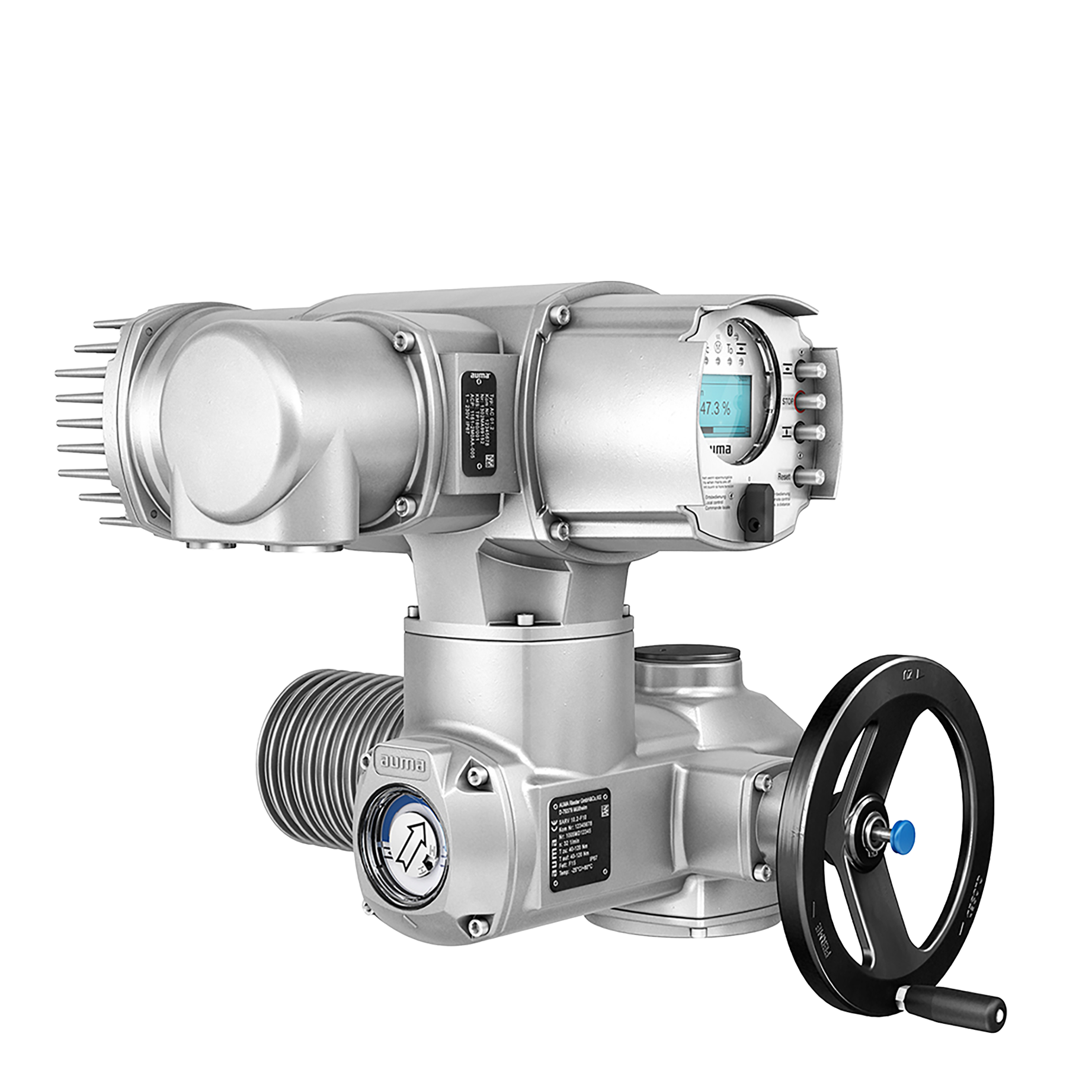
Electric actuators are devices designed for the automated operation of industrial valves, converting electrical energy into the rotary or linear mechanical motion required to open, close or control valves. Their main function is to enable local or remote control of valves within industrial processes, with precise control of valve position, torque and operating parameters.

Applications

District heating systems

Thermal power plants

Water supply and HVAC systems

Gas plants

Pumping and compressor stations

Oil and petrochemical industry
Basic technical specifications
from 10 Nm to 675,000 Nm
multi-turn, part-turn, linear
1~230V AC, 3~400V AC, 24V DC and other configurations
OPEN/CLOSE, modulating (control), positioning
IP67, IP68
ATEX / IECEx designs for hazardous (explosive) zones
-40°C to +80°C
Modbus, Profibus DP, Profinet, Foundation Fieldbus, HART and other industrial protocols
mechanical and electronic position indication
handwheel
per ISO 5210, ISO 5211, DIN standards
industrial and offshore anti-corrosion designs
Actuator designs
Rotary (multi-turn) actuators
Rotary electric actuators are designed for automating valves that require multiple output-shaft rotations to fully open or close, such as gate valves and shut-off/control valves. These actuators provide reliable control of high torques, precise positioning and the ability to operate in OPEN/CLOSE and modulating modes.
Modern designs allow integration with SCADA and DCS systems, communication via industrial protocols, and a high level of diagnostics and plant monitoring, which is why they are widely used in energy, district heating, water management and process systems.


Part-turn actuators
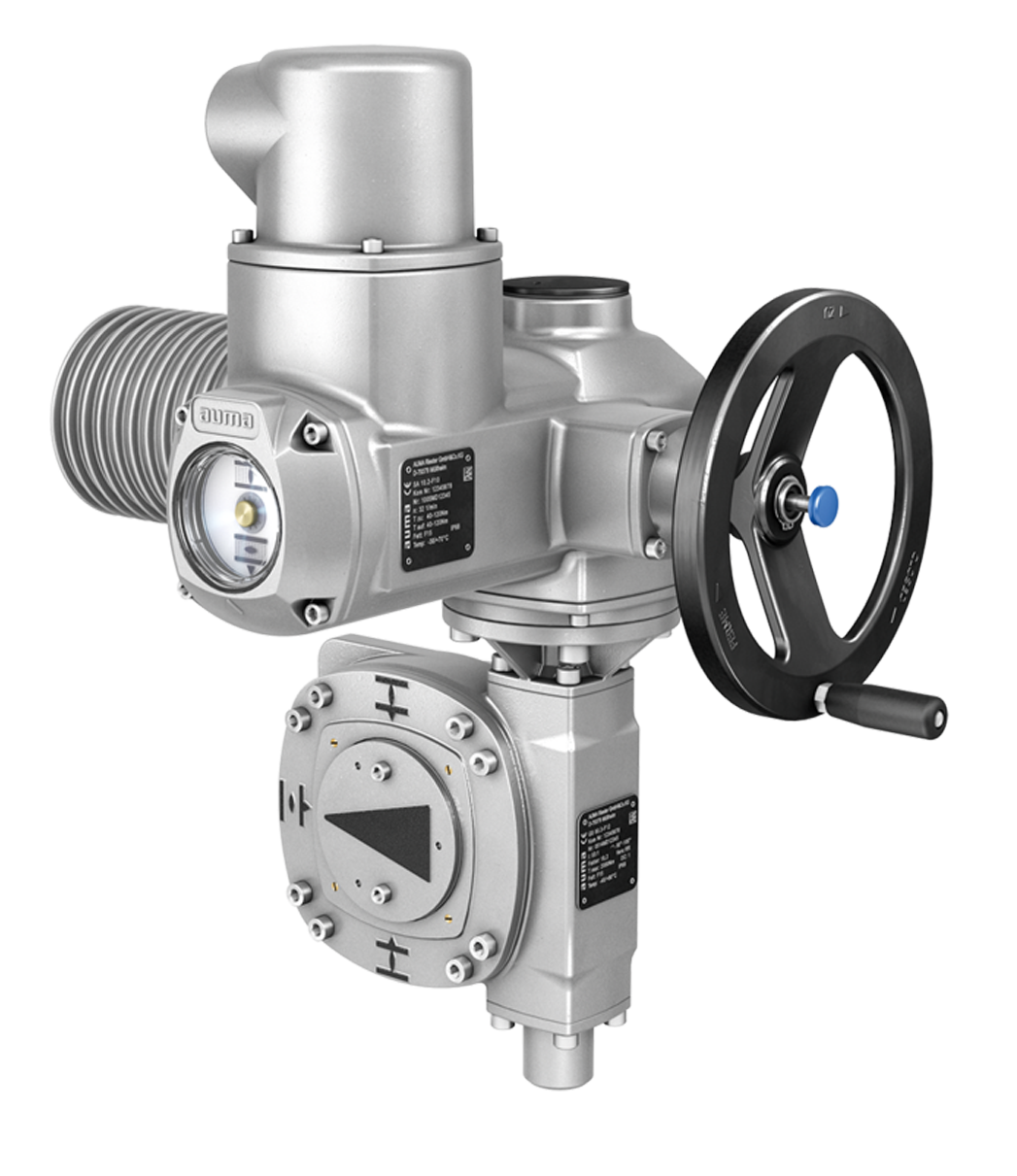
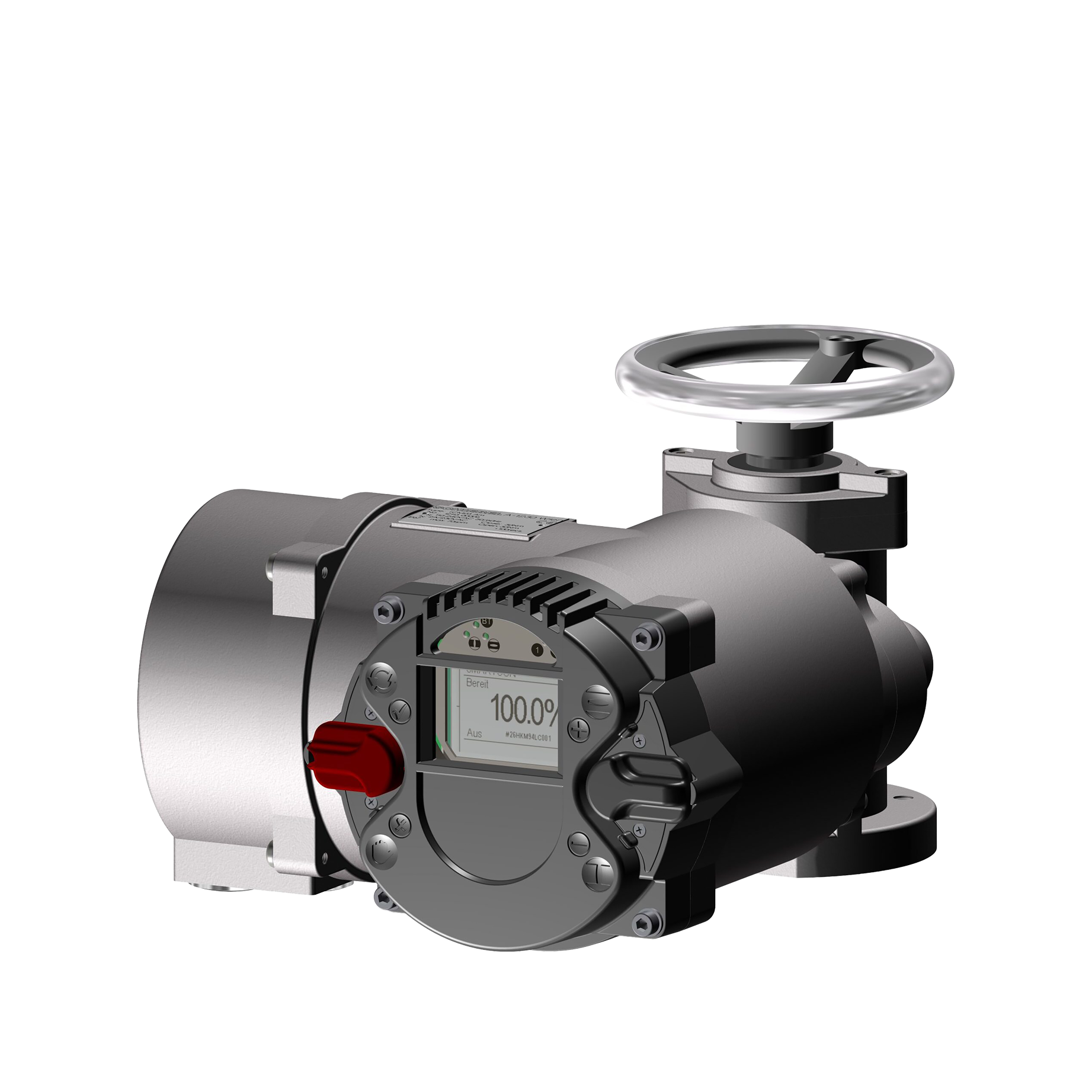
Part-turn electric actuators are used to operate valves with a rotation angle of up to 90°, such as ball and butterfly valves. Their construction allows fast, reliable opening and closing with precise position control and stable torque transmission.
These actuators are available in standard, modulating and explosion-protected designs, with the ability to integrate into automated process control systems, making them suitable for use in gas, energy, HVAC and industrial plants.
Linear actuators
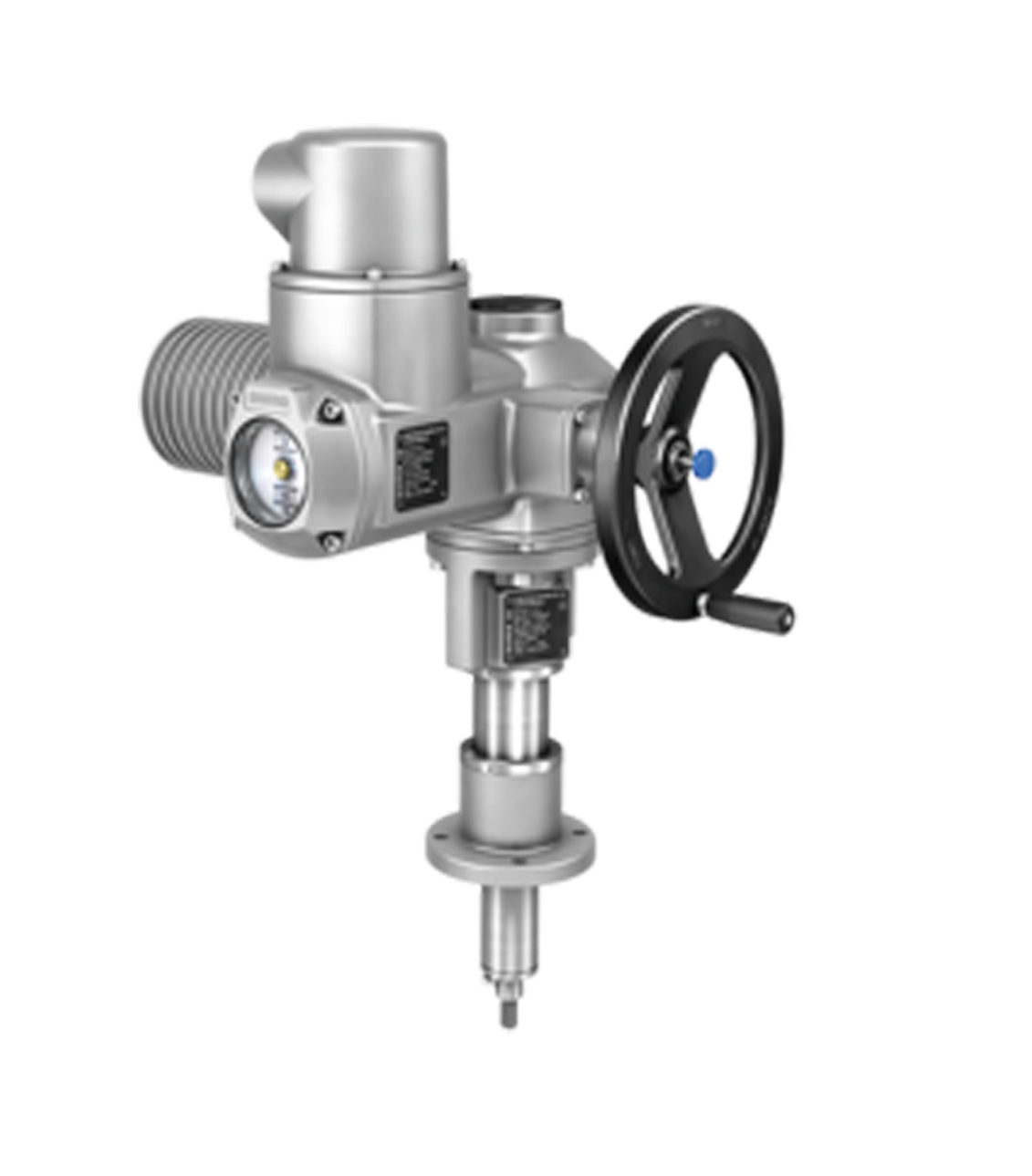
Linear electric actuators are designed for operating valves that require straight-line movement of the actuating element, such as control and process valves. The actuator works by converting the rotary motion of the electric motor into linear travel of the output stem, allowing precise control of flow, pressure and other process parameters.
Thanks to their positioning and modulating control capability, as well as integration with SCADA and DCS systems, linear actuators are used in demanding industrial, energy and process applications where high control accuracy and system stability are required.

Standards and certification
The valves are manufactured in accordance with relevant European standards for energy and industrial equipment.
Manufacturing and quality control includes the following certificates and standards:
- ISO 5210
- ISO 5211
- EN 15714
- ATEX 2014/34/EU
- IECEx
- PED 2014/68/EU
- IEC 61508 / SIL
- IP67 / IP68
- ISO 9001/14001
Electric actuators delivered by manufacturer on previous projects

Project support for electric actuators
The choice of an appropriate electric actuator depends on the valve type, the required torque or linear force, the valve's operating mode, installation conditions, and the system's requirements for local or remote control. For gate valves, globe valves, ball valves and butterfly valves, it's important to properly match the actuator type with the valve's construction, required travel, operating mode and automation requirements.
The expert team at Contex Energy provides technical support to designers, contractors and industrial users in selecting the appropriate electric actuator for a specific system. Based on the project documentation and operating parameters, it is possible to define whether a multi-turn, part-turn or linear actuator is needed, as well as the appropriate torque, power supply, protection rating, EX design, communication protocol and operating method.
For energy, gas, water supply, HVAC and process systems, it's especially important for the actuator to be matched to the valve, automation requirements, and plant operating conditions. Proper selection of the electric actuator ensures reliable valve operation, precise control, operational safety, and the ability to integrate into SCADA, DCS or other control systems.

Contact us for more information

Schedule a free consultation here
Related services
Contex Energy also provides the following services:


Frequently asked questions
Electric actuators are used for the automated opening, closing or control of industrial valves. They convert electrical energy into the rotary or linear motion needed to operate a valve. Used when local, remote or automatic valve control is required in industrial systems.
A valve is the component that controls, opens or closes fluid flow, while an electric actuator is the device that operates that valve. The actuator does not come into direct contact with the medium — it transmits mechanical motion to the valve. That's why valve type and operating mode must always be considered when choosing an actuator.
Multi-turn actuators are used for valves requiring multiple rotations to open or close, such as gate valves. Part-turn actuators are used for valves that rotate up to 90 degrees, such as ball and butterfly valves. Linear actuators are used for valves requiring straight-line movement of the actuating element.
Multi-turn electric actuators are used for valves requiring multiple rotations to fully open or close. They are most commonly used with gate valves and certain shut-off or control valves. Suitable for systems requiring higher torque, precise positioning and reliable control.
Part-turn electric actuators are used for valves that operate by rotating up to 90 degrees. Most commonly used with ball and butterfly valves. Can be used for simple OPEN/CLOSE control as well as modulating control in automated systems.
Linear electric actuators are used with valves requiring straight-line movement of the actuating element. Particularly suitable for control and process valves. Used in systems requiring precise control of flow, pressure or other process parameters.
OPEN/CLOSE operation means the actuator controls the valve only at end positions — fully open or fully closed. Modulating operation allows the valve to be set to intermediate positions for more precise control of flow, pressure or temperature. The choice depends on whether the valve is intended only for shut-off or also for process control.
Yes, modern electric actuators can be connected to SCADA, DCS and other monitoring and control systems. Communication can be done via industrial protocols such as Modbus, Profibus DP, Profinet, Foundation Fieldbus or HART. This enables remote control, valve position monitoring and tracking of operating parameters.
An ATEX or IECEx design is required when the electric actuator is installed in hazardous (explosive) zones. This most commonly applies to gas plants, the oil and petrochemical industry, compressor stations and similar systems. In these conditions, the actuator must be designed and certified for safe operation in a potentially explosive atmosphere.
The appropriate electric actuator is chosen based on the valve type, required torque or linear force, valve travel, operating mode, power supply and installation conditions. It's also important to define the protection rating, communication, position indication, manual operation option, and any required EX protection. The final choice should align with the project documentation and system automation requirements.