
Compensators
Product description
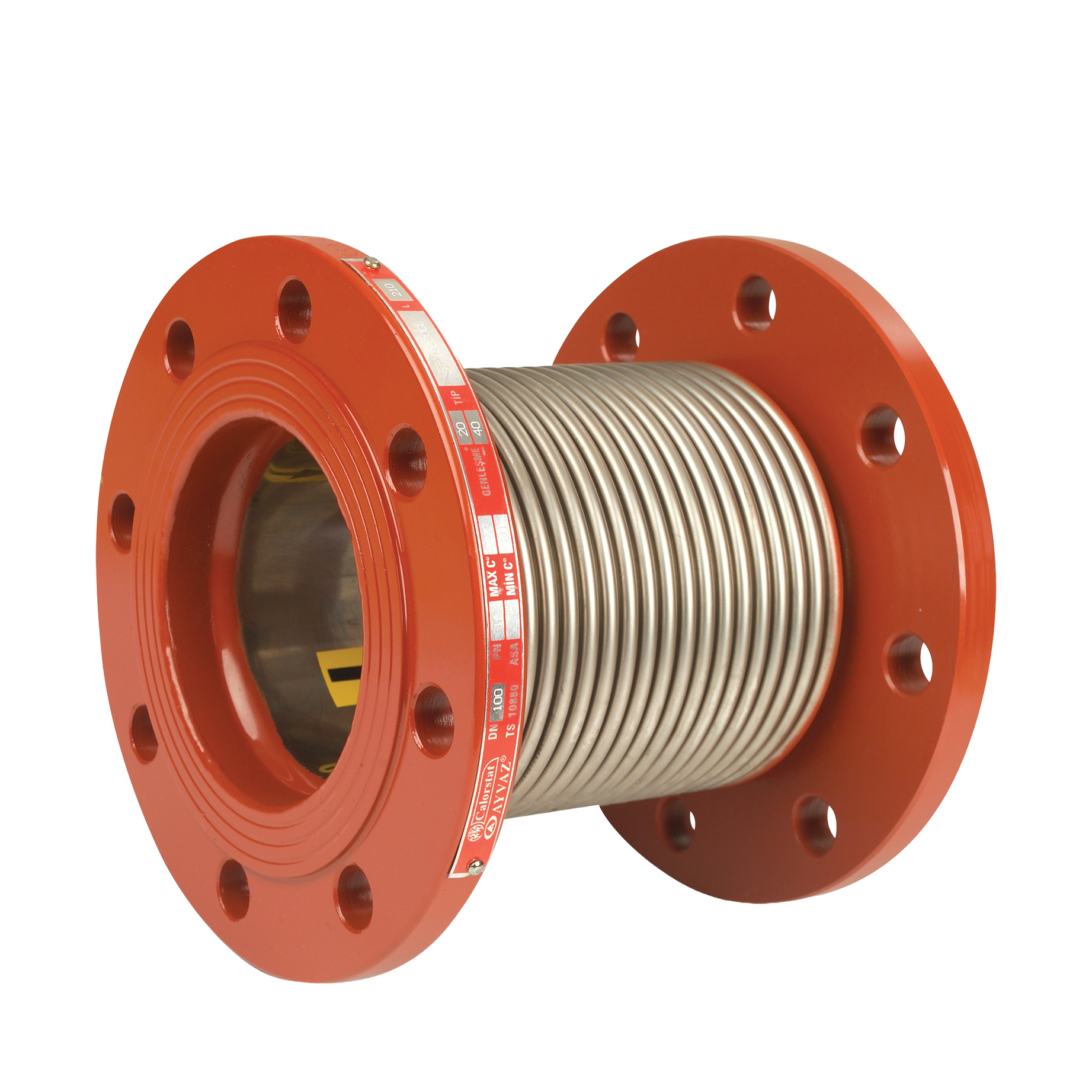
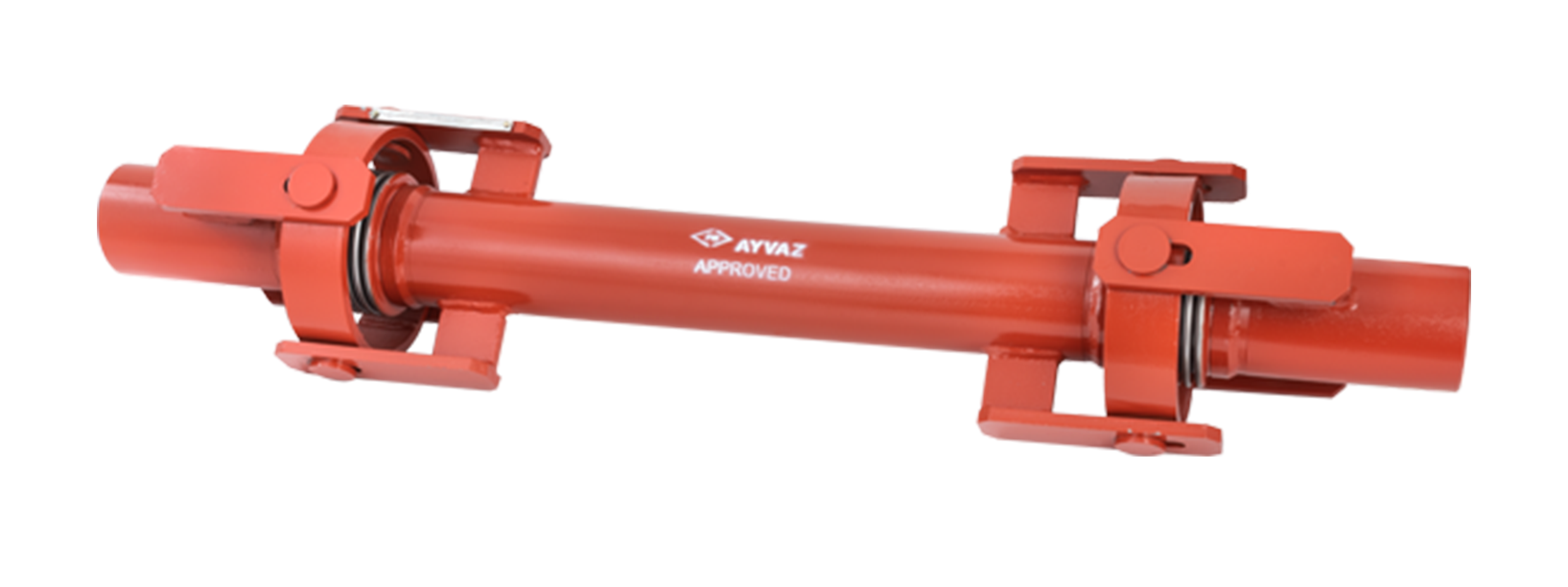
Compensators (expansion joints) are flexible industrial valve components designed to absorb thermal expansion, vibration and mechanical movement in pipeline systems. Their main function is to take up the stresses caused by changes in temperature, pressure and operating loads, protecting pipelines and equipment from deformation and damage while ensuring continuity and safe system operation.
In district heating systems, energy plants, gas installations, industrial processes and HVAC systems, compensators are used to protect pipelines, pumps, heat exchangers and turbine equipment, extending the system's service life and increasing its reliability.

Applications

District heating systems

Thermal power plants

HVAC systems

Gas plants

Oil and petrochemical industry

Pumping and compressor stations
Basic technical specifications
metal, rubber, PTFE
axial, lateral, angular, universal
DN15 – DN3000 (and larger for special designs)
PN6 – PN100 (and higher for special designs)
-50°C to +600°C (depending on type)
stainless steel (AISI 304, 316, 321), special alloys
carbon steel, stainless steel, or rubber/PTFE designs
flanged (EN 1092-1, EN 1092-2), welded ends
high efficiency in systems with pumps and turbines
EJMA, EN 14917, PED 2014/68/EU
Compensator designs
Axial compensators
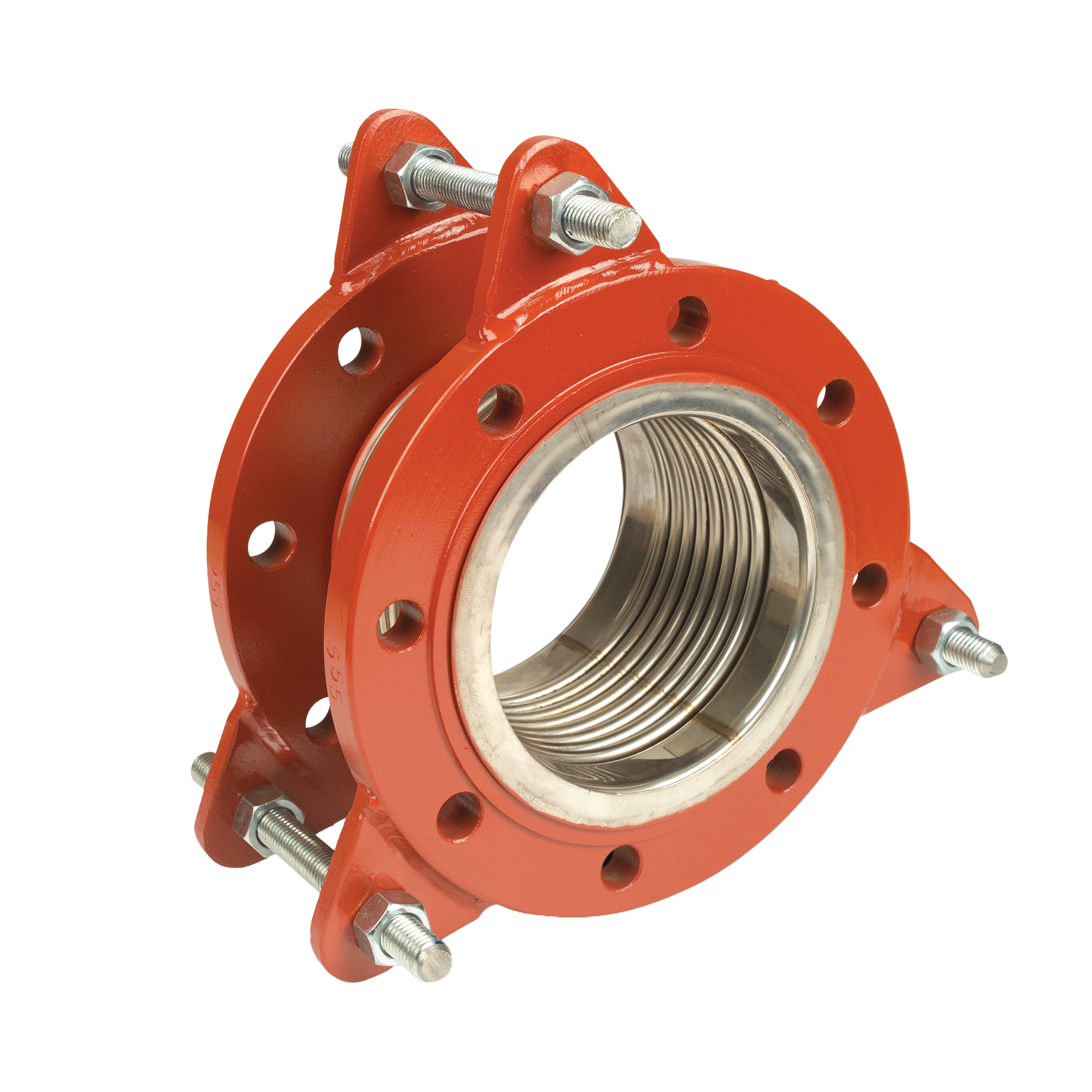
Axial compensators are designed to absorb movement along the pipeline axis — i.e., compression and expansion caused by changes in temperature and pressure. They operate through elastic deformation of their flexible element, which may be made of metal bellows, rubber or PTFE material, ensuring continuity of pipeline system operation while neutralizing stress. Used in district heating, energy and industrial installations to protect equipment from thermal loads.


Lateral compensators
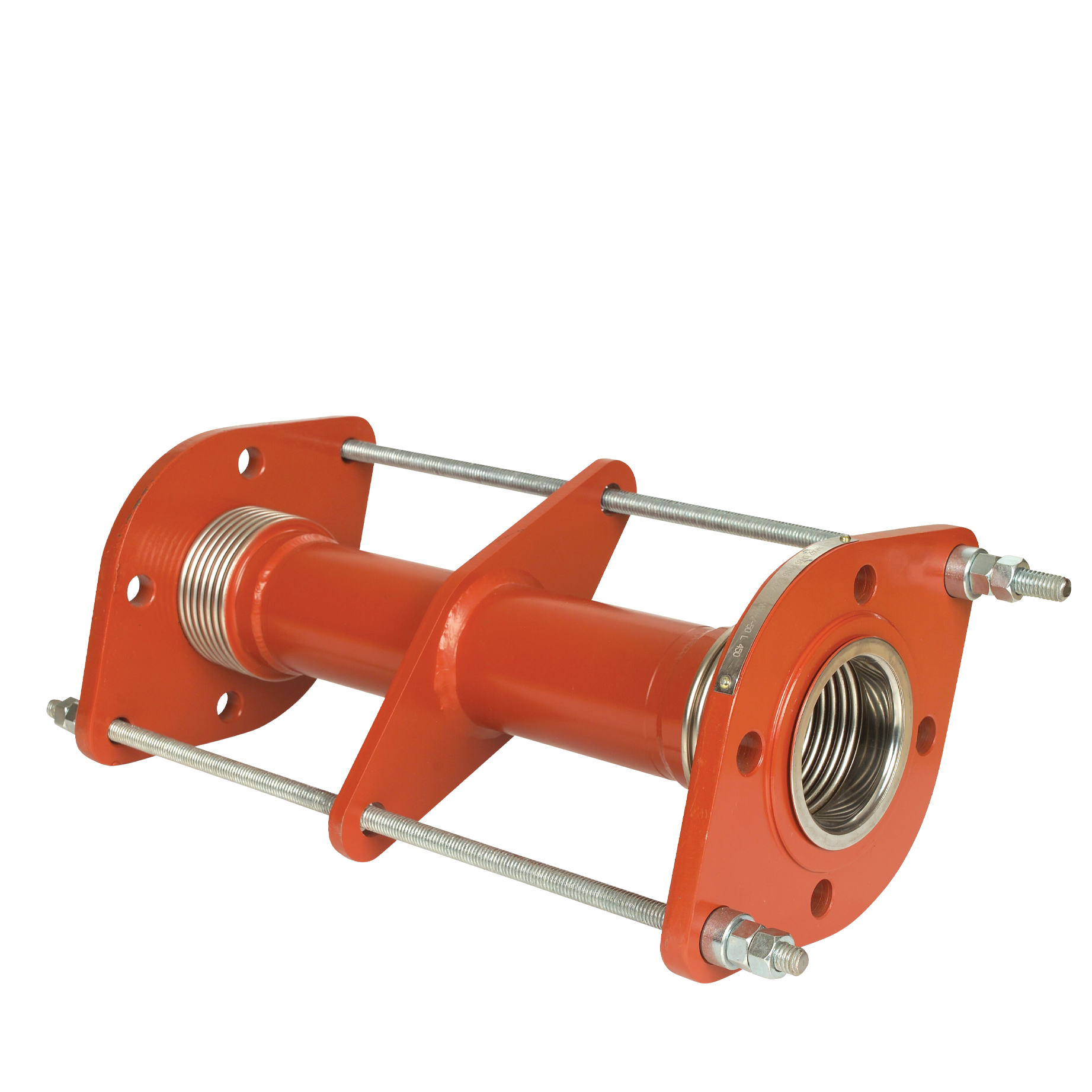
Lateral compensators absorb sideways movement of the pipeline caused by vibration, installation deviations or structural movement. They operate through elastic deformation of the flexible element (metal bellows, rubber or PTFE), relieving the pipeline in the transverse direction and protecting equipment from mechanical stress.
Universal compensators
Universal compensators enable combined absorption of axial and lateral movements in complex pipeline systems. Thanks to the elastic deformation of the flexible element, they provide safe pipeline relief in multiple directions, making them suitable for complex industrial installations and energy systems with multidirectional loads.

Angular compensators
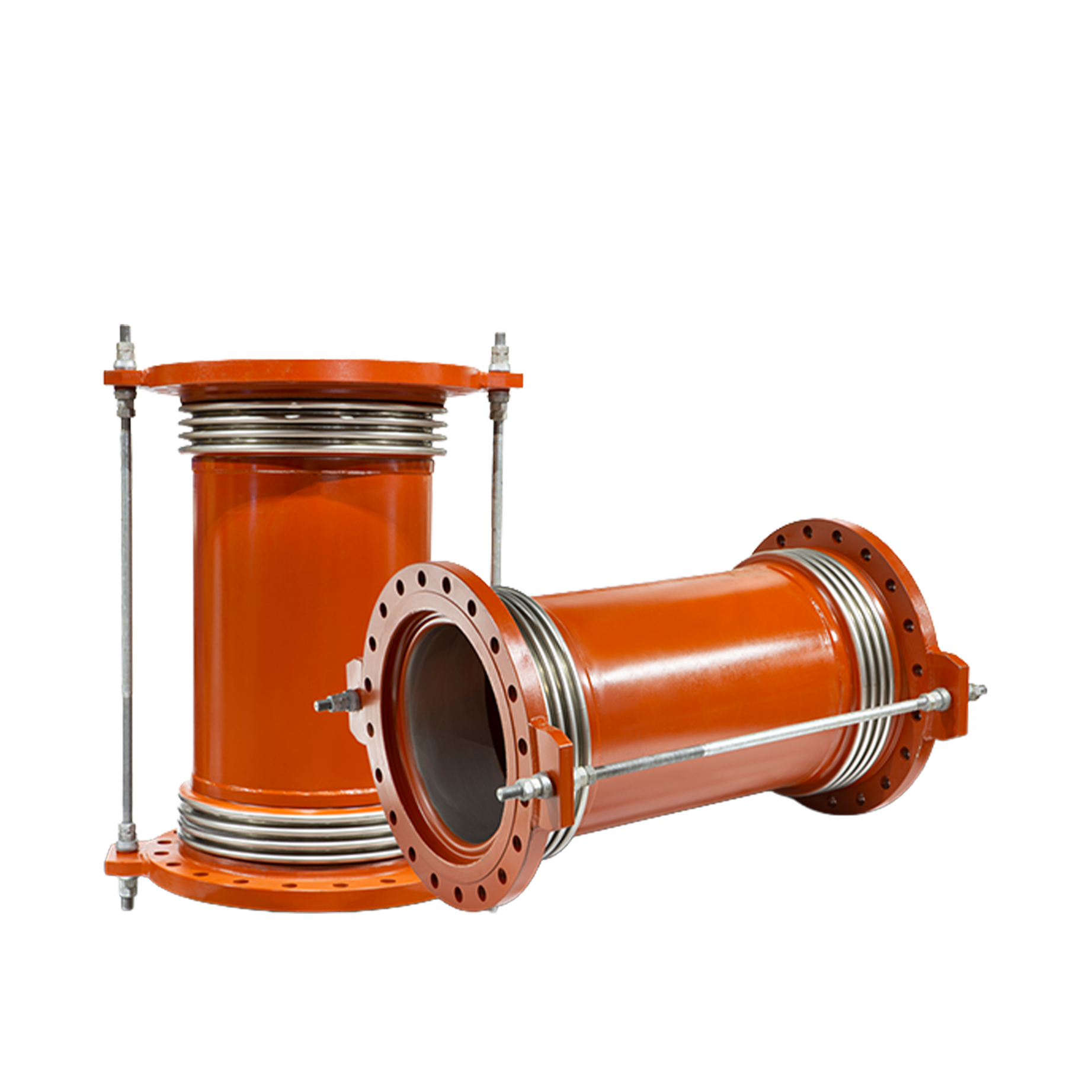
Angular compensators absorb rotational (angular) movement between pipeline sections, most often at points where the installation changes direction. Their construction allows safe compensation of angular deformations while preserving the integrity of the pipeline system and reducing stress on equipment and joints.

Standards and certification
The valves are manufactured in accordance with relevant European standards for energy and industrial equipment.
Manufacturing and quality control includes the following certificates and standards:
- EN 14917
- EJMA standard
- PED 2014/68/EU
- AD 2000-Merkblatt
- ISO 9001/14001
- ATEX (on request)
- DIN / EN flange standards
Valves delivered by manufacturer on previous projects
Project support and compensator selection
The choice of an appropriate compensator depends on the type of pipeline system, the type of medium, working pressure, temperature, nominal diameter, and the type of movement to be compensated.
The expert team at Contex Energy provides technical support to designers, contractors and industrial users in selecting the optimal compensator for specific operating conditions. Based on the project documentation, it is possible to define the required type of movement, bellows material, connection type, pressure class, temperature range and standards the compensator needs to meet.
For district heating systems, energy plants, gas installations, and pumping and compressor stations, it's particularly important that the compensator be correctly sized and matched to the pipeline route. Proper compensator selection reduces stress, vibration and the risk of damage to the pipeline, valves and connected equipment.

Contact us for more information

Schedule a free consultation here
Related services
Contex Energy also provides the following services:


Frequently asked questions
Compensators are used to absorb thermal expansion, vibration and mechanical movement in pipelines. Their role is to reduce stresses caused by changes in temperature, pressure and operating loads. This protects pipelines, valves and equipment from deformation and damage.
Compensators are used in district heating systems, thermal power plants, HVAC systems, gas installations and industrial processes. They are often installed near pumps, turbines, heat exchangers and compressor equipment. Their use is important wherever there are temperature changes, vibration or pipeline movement.
Metal compensators are used for higher temperatures, greater pressures and demanding industrial conditions. Rubber compensators are suitable for vibration absorption and lower temperature ranges, while PTFE compensators are used for more aggressive media and specific process conditions. The choice depends on the medium, temperature, pressure and the chemical resistance the system requires.
Axial compensators absorb movement along the pipeline axis. Used when a pipeline needs to expand or contract lengthwise due to temperature changes. Most commonly used in hot-water, steam, energy and industrial installations.
Lateral compensators absorb sideways pipeline movement. Used when there is movement in the transverse direction, vibration, installation deviations or structural movement. Their role is to relieve the pipeline and protect equipment from mechanical stress.
Universal compensators can absorb combined movements in multiple directions. Used in complex pipeline systems where axial and lateral movements occur simultaneously. Suitable for complex industrial installations and energy systems.
Angular compensators absorb rotational or angular movement between pipeline sections. Most commonly used where the installation changes direction. Their function is to reduce stress on the pipeline, joints and connected equipment.
The appropriate compensator is chosen based on the type of movement, working pressure, temperature, medium, nominal diameter and installation conditions. It's also important to define the bellows material, connection type, allowable movements and relevant standards. The final choice should align with the project documentation and pipeline route.
Yes, certain compensator designs can effectively reduce vibration in the pipeline system. This is especially important for systems with pumps, turbines, compressors and other rotating equipment. Reducing vibration helps protect equipment and extends the installation's service life.
Standards commonly used for compensators include EN 14917, EJMA, PED 2014/68/EU and AD 2000-Merkblatt. Depending on the project, DIN/EN flange standards, ISO 9001/14001 and ATEX designs (on request) may also be relevant. The exact standards depend on operating conditions, compensator type and project requirements.